Showing posts with label nature. Show all posts

Sunday, November 8, 2020

When Winter Comes Early


“Consider the lilies, how they grow: they neither toil nor spin, yet I tell you, even Solomon in all his glory was not arrayed like one of these.” Luke 12:27 (ESV)

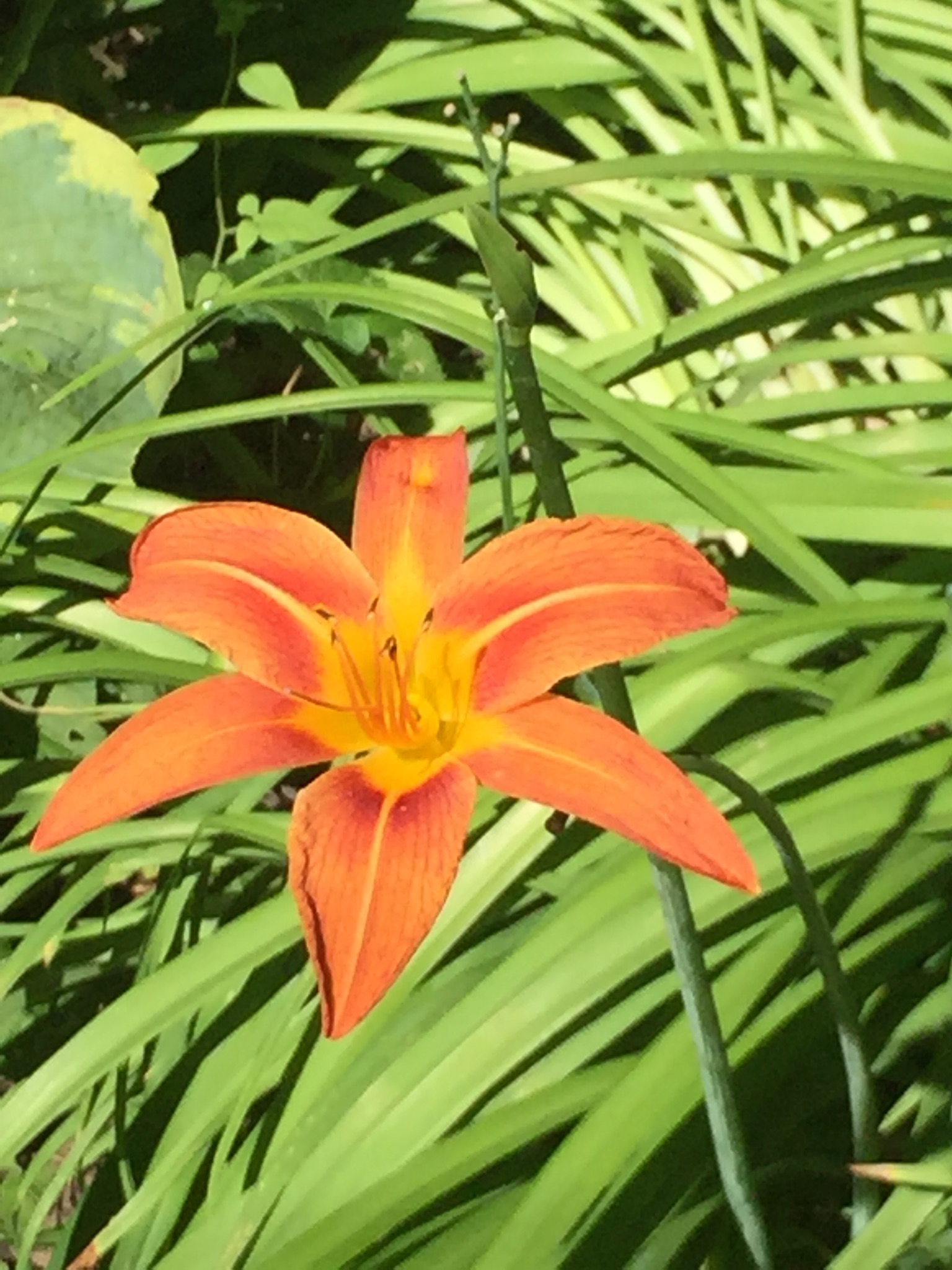
Our first snowfall cam a bit early this year. In many ways, the year 2020 has seemed liked an endless winter. During the COVID-19 lockdown in the spring, I was grateful for the refreshing beauty of our Idaho garden. Throughout the summer, I wanted to hold onto the colors and fragrances of the roses, mock orange, day lilies and — most of all — the purple lilac.


Purple lilac is the state flower of my native state, New Hampshire, and its sweet fragrance always triggers fond childhood memories. This year, the memories were especially poignant as my mom moved into a nursing home after a heart attack in July. The restrictions of COVID-19 made visits few and far between. I spent many afternoons sitting in our backyard, talking to my mom on the phone while looking at our beloved flowering shrubs and vines. 

When my mom passed away in October, the dwindling daylight hours matched my darkened state of mind. Grief became a heavy blanket that threatened to smother me. I desperately looked for a sign of hope. 


I found that sign in our lilac shrub, which holds springtime in its branches, even when winter comes early! You see, lilacs begin to form next year’s flower buds soon after they finish blooming. If you look closely, you can see these buds at the ends of the branches. 


It’s like seeing next spring in the middle of winter! I love that about plants — when the landscape looks dead and dreary, good things are already happening. 

“The flowers appear on the earth, the time of singing has come, and the voice of the turtledove is heard in our land.” Song of Solomon 2:12 (ESV)

Just as we can picture buds forming in the dead of winter, we can have faith that new beginnings are already underway. Grief, disappointment and other difficult passages bring winter’s chill into our lives. But hope has a way of sneaking up on us, even if we can’t see it at the moment. I see next year’s lilac buds and remember new life, resurrection, unexpected joy. 

Amen.


Thursday, June 25, 2020

The Whole of Creation


“God created us 

to praise, reverence, and serve God 

and in this way to save our souls. 

God created all of the rest of creation 

to help us achieve the purpose for which 

God created us.”

St. Ignatius of Loyola


I read this quotation this week in an online retreat offered by Creighton University. My spiritual director recommended the retreat a few weeks ago, after I mentioned that I couldn’t seem to find a spiritual practice that was a good fit for my life. I’m so glad she did!

This quotation sparked a sense of wonder and gratitude for my relationship with God’s creation. I was struck by the different ways we can interpret the statement that God created the rest of creation to help us achieve God’s purpose for our lives. I have always been uncomfortable with the idea that creation — animals, plants, natural resources — should be at humanity’s beck and call. 

“The LORD God took the man and put him in the Garden of Eden to work it and take care of it.“ Genesis 2:15


What if we recall our role as caretakers of the Garden? What if we read and take to heart the Bible verses that proclaim God’s love for all creation? 


“I now establish my covenant with you and with your descendants after you and with every living creature that was with you—the birds, the livestock and all the wild animals, all those that came out of the ark with you—every living creature on earth.” Genesis 9:9-10


“But ask the animals, and they will teach you,

or the birds in the sky, and they will tell you;

or speak to the earth, and it will teach you,

or let the fish in the sea inform you. 

Which of all these does not know

that the hand of the Lord has done this?” Job 12:7-9


“You will go out in joy

and be led forth in peace;

the mountains and hills

will burst into song before you,

and all the trees of the field

will clap their hands.” Isaiah 55:12


Perhaps, as St. Ignatius wrote, the rest of creation helps us when we see ourselves as part of the whole of creation. Maybe the earth, as the verse in Job tells us, really is waiting to teach us. For example, what if instead of exploiting natural resources, we learn to act as caretakers? 


“For since the creation of the world God’s invisible qualities—his eternal power and divine nature—have been clearly seen, being understood from what has been made, so that people are without excuse.” Romans 1:20


If we are “without excuse,” then we are able — with God’s help — to use our resources to nourish and heal. Then we can indeed join every living creature, the mountains, hills and trees, in praise and joy. We will clearly see the ways in which the rest of creation can help us.


Thursday, January 2, 2020

Creation Groans: How to Help During Australia’s Wildfires


Photo by David Clode on Unsplash


“For we know that the whole creation groans and suffers the pains of childbirth together until now.” Romans 8:22 (NASB)

Photo by Ninian Reid
Yes, we groan together with the creation as we witness the fires in Australia. New South Wales and Victoria regions have been devastated, and there’s no end in sight. Record heat, drought and fires — some human-caused — combine to create a perfect storm of destruction. CNN International reports that as of today, 18 people have died and nearly 1000 homes have been destroyed. People flee to the coast and are told to shelter in the water as the fires move across their town.

The impact on wildlife has been catastrophic, with an estimated 480 million animals killed. Entire species have likely been wiped out. Australia’s koala bears have lost 30 percent of their habitat, and 8000 koalas have likely been killed. Eucalyptus trees have burned, leaving the surviving koalas with little or no food. Thousands of grey-headed flying foxes — already near extinction— have been killed. Scenes of injured and bewildered animals are broadcast on the news and social media. Many of us weep.

Can there be any good news?

Perhaps good news is found in organizations that help. I will be writing a series of posts on the Australia fires, and will list ways we can help. Here are some Australian wildlife rescue groups that are well worth supporting:


There is good news in the knowledge that science has given us to slow the effects of climate change. I take comfort in recalling the story of Noah, and how God placed humanity (Noah and his family) in a vital role in restoring life. Yes, God told Noah what to do. But human beings used these instructions and tools to do the necessary work. 

“But I will establish My covenant with you, and you will enter the ark—you and your sons and your wife and your sons’ wives with you.” Genesis 6:18

Personally, I’m not looking for instructions to build an ark. I see hope in God’s gift of the knowledge and dedication of rescue volunteers, scientists and activists. Let us have the wisdom to recognize the knowledge and tools that are placed in our path, so that we can begin the work of healing God’s beautiful creation. 

Amen.